info@uk.next.greenvolt.com | +44 192 593 9783 | Available Nationwide


Food & Beverage
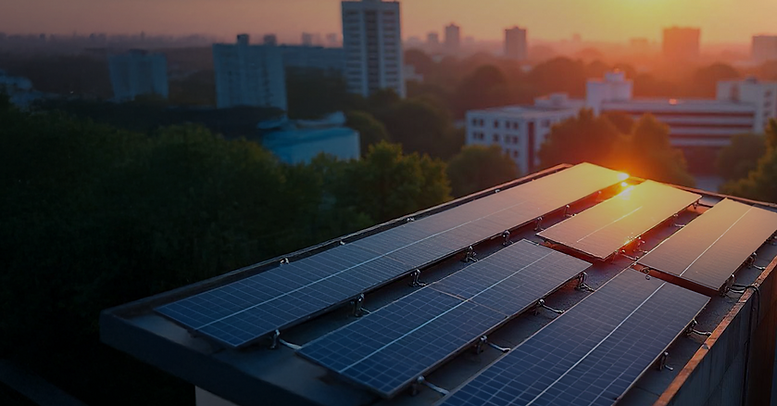
Food and beverage businesses often operate energy-intensive facilities where refrigeration, processing, production, heating, cooling and storage can create substantial electricity demand. Commercial solar PV can help generate renewable electricity on-site, reducing reliance on the grid while making better use of available roof space and land. Greenvolt Next UK designs solar PV for businesses around the way each food and beverage facility operates, with energy generation, storage and long-term requirements considered from the outset.
Advantages of Renewable Energy Solutions

Reduce Energy Costs
by generating renewable electricity for production, refrigeration and other operations.

Make Better Use of Large Sites
with commercial solar PV designed around suitable roofs, land and other available space.

Support Continuous Operations
with energy systems designed around the facility's actual consumption patterns.

Reduce Grid Dependence
by generating more electricity directly at the point of use.

Manage Peak Energy Demand
with solar battery storage where the site's energy profile makes it suitable.

Strengthen Sustainability Credentials
by increasing the use of renewable electricity across the business.

Support Long-Term Energy Planning
with a system designed around changing production and operational requirements.
Explore Flexible Investment Models,
including Power Purchase Agreements, that can reduce the need for upfront capital.


Generate Energy Where Production Takes Place
Food and beverage facilities can use large amounts of electricity across production, refrigeration, processing, storage and ventilation. Commercial solar PV brings renewable generation directly to the site, allowing the business to use solar electricity close to where demand is highest. Greenvolt Next UK designs systems around the facility's actual energy use rather than treating the solar installation as a separate project.
Put Surplus Solar Power to Good Use
Energy consumption can continue outside the strongest periods of solar generation, particularly in facilities operating extended production hours. Battery storage can hold surplus electricity and make it available later, giving the business greater flexibility in how it uses its renewable generation. For sites with substantial electricity demand, solar and battery storage can sit alongside wider measures aimed at reducing grid consumption.


Support a More Efficient Production Operation
Food manufacturers and processors are under increasing pressure to manage operating costs while reducing the environmental impact of production. Generating renewable electricity on-site can contribute to carbon reduction targets while reducing reliance on purchased grid power. A properly designed commercial solar system can become part of the site's long-term energy planning without interfering with the work taking place inside the facility.
Food & Beverage FAQ
- 01
- 02
- 03
- 04
- 05
- 06
- 07
- 08